


Restringing your mala beads is a sacred way to refresh your spirit and fix a tool that helps you stay calm. We believe that when a string breaks, it is not just an accident but a sign that you are ready for a new start. This guide will show you how to turn a simple repair into a beautiful, quiet ritual for your heart.
We know how much these beads mean to your daily peace. In our studio, we often see how fixing a broken necklace helps a person feel more in control of their path. It is a chance to put new energy into every single bead you touch.
- Spiritual Renewal: Restringing marks the end of an old cycle and the start of a fresh intention.
- Traditional Craft: Using a hand-knotted technique keeps your beads safe and makes them easier to use.
- Material Choice: Selecting between silk and nylon cord changes how the mala feels and lasts.
- Guru Bead Focus: The center bead acts as the anchor for your prayers and the start of your repair.
- Mindful Practice: Every knot you tie is a moment to breathe and focus your mind.
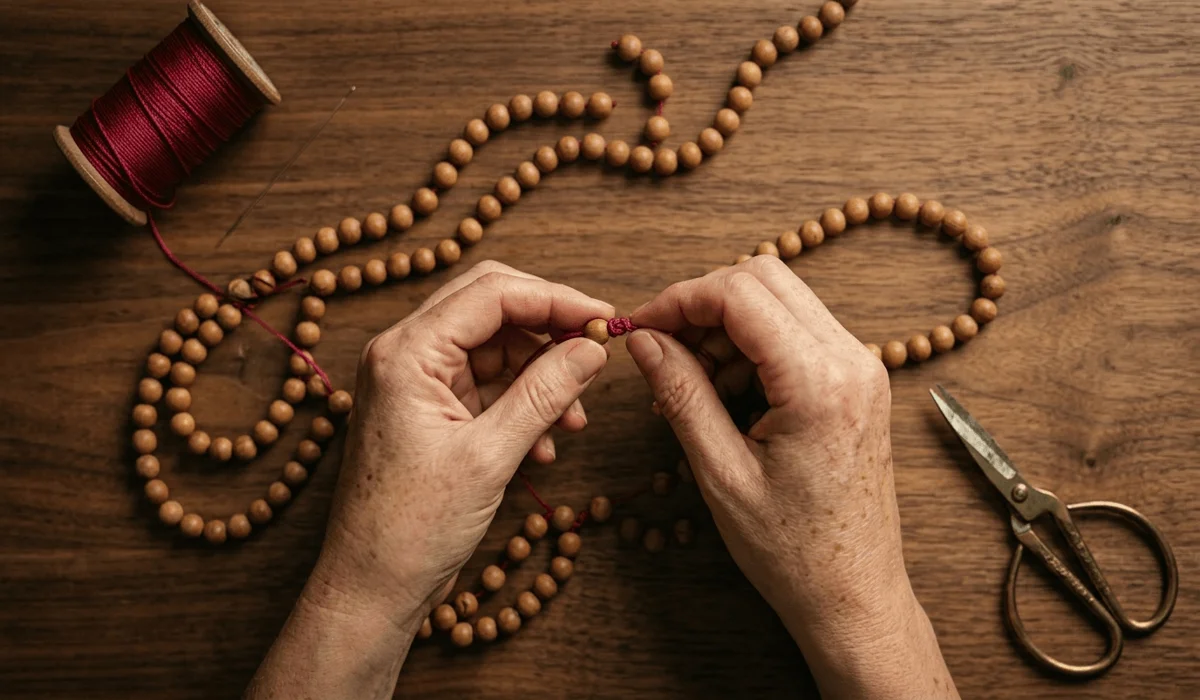
What is How to Restring Your Mala Beads: A DIY Spiritual Ritual?
Definition and Purpose
Restringing your beads is the act of putting your prayer necklace back together using a new cord. We view this process as a mindful restoration of a sacred tool that has served you well. It is much more than just a craft project because it involves your focus and your heart.
When your mala breaks, the transition to a renewed cycle of japa mala maintenance begins immediately. This DIY approach lets you handle each of the 108 beads one by one. This physical contact helps you feel a deeper bond with the stones and the history they hold.
Materials and Essentials
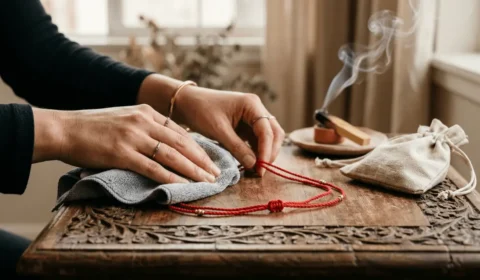
Choosing the right materials is the first step in your restorative journey. Most practitioners prefer a high-quality silk cord for mala beads because it feels soft and natural against the skin. If you want something very strong, a durable nylon mala stringing cord is a great choice for daily wear.
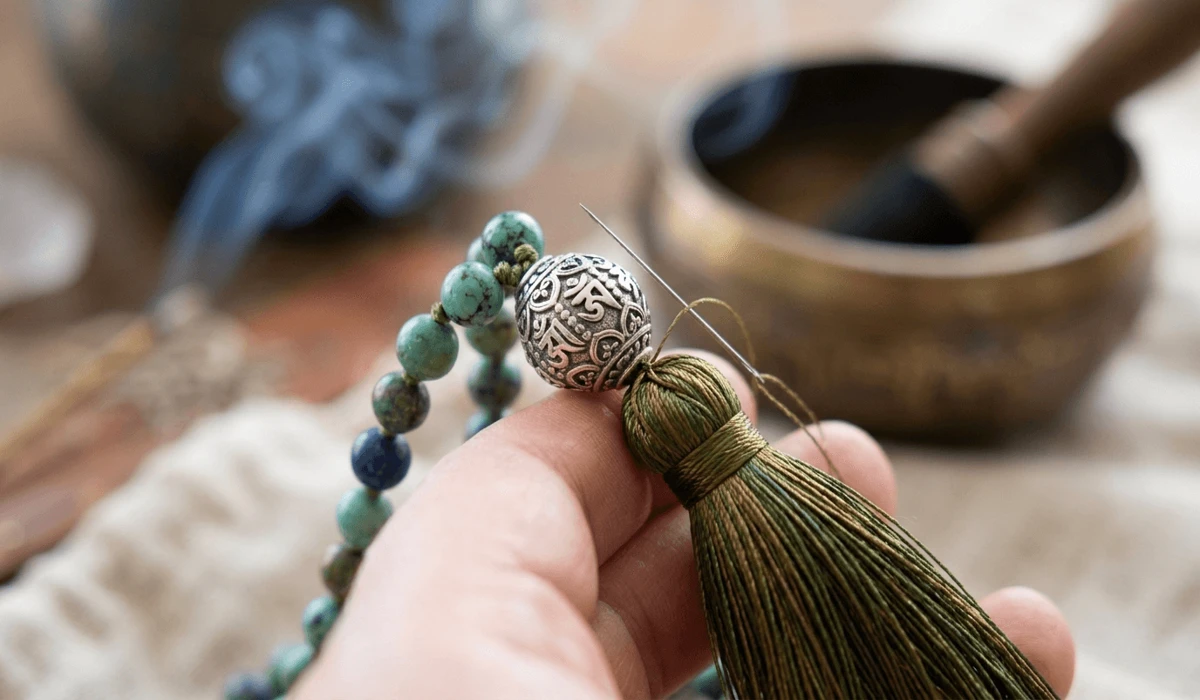
The guru bead serves as the most important part of the necklace. It is the starting and ending point for your strings and represents your teacher or your higher self. You will also need a thin beading needle, sharp scissors, and a quiet space for your Historical Buddhist Traditions study and work.
The Hand-Knotted Mala Technique
The traditional method involves placing a small knot between every single bead. This hand-knotted mala technique ensures that your beads do not rub against each other. This protection is vital for keeping your stones from getting scratched or worn down over time.
Using knots also has a very practical benefit for your spiritual practice. If the cord ever breaks again, the knots will stop the beads from sliding off. This means you will not lose all 108 beads in a single moment, which saves your precious tools.
Video source:YouTube
Author:Tina Hopff
Original video link:https://www.youtube.com/watch?v=TPKKSK06Epc
Spiritual Meaning & Symbolism of Restringing Your Mala
Broken Mala Symbolism
In many traditions, a broken mala is actually a very positive sign. It is often seen as a karmic release or the ending of an old habit that no longer serves you. We like to think of it as the mala “taking a hit” to protect you from heavy energy.
A break is a great chance to look at the “Silver Lining” of your life. It gives you a moment to stop and ask what you want to achieve next. Rebuilding your mala is the physical way of re-centering your focus on your new goals.
Spiritual Significance of 108 Beads
The number 108 is very special in many ancient cultures and math systems. It is said there are 108 lines of energy that meet to form the heart chakra. By restringing each bead, you are honoring the journey of your soul through many stages of growth.
We find that touching each bead during the repair helps you slow down. It is like a walk through your own memories and dreams. This process connects you back to the Crystal Energy Guide and the natural world.
Guru Bead Meaning and Tassel Symbolism
The guru bead represents the “Mount Meru” or the divine teacher in your life. It is the bead that you never cross over during your meditation sessions. In the restringing ritual, this bead holds the two ends of the circle together in unity.
The tassel attachment for malas also has a beautiful meaning for your practice. It represents the roots of a lotus flower and the many petals that open toward the sun. This connection shows how the practitioner and the universe are always joined as one.

Benefits & Intentions Associated with How to Restring Your Mala Beads: A DIY Spiritual Ritual
Commonly Associated Intentions
Restringing your beads helps you find a sense of purpose when you feel stuck. It is a time to set new sacred intentions that match who you are today. You can choose to focus on peace, strength, or love as you tie each knot.
The process of fixing your own tools teaches you how to be patient and precise. These are skills that help you in your normal life outside of meditation. We have seen many friends find great joy in the simple act of doing things by hand.
Mindfulness & Personal Practices
We suggest performing a meditative knotting ritual where you match your breath to your movements. You can say a small prayer or a word like “peace” every time you finish a knot. This puts your own special vibration into the very thread of the necklace.
Many of our regular practitioners find the repair process to be as healing as the meditation itself. It is a quiet time to sit with your thoughts and create something beautiful. This energetic imprinting makes the mala truly yours and nobody else’s.
| Feature | Silk Cord | Nylon Cord |
|---|---|---|
| Feel | Very soft and natural | Smooth and firm |
| Durability | Medium (can fray) | High (very strong) |
| Knot Quality | Beautiful, tight knots | Consistent, round knots |
| Best For | Traditional rituals | Heavy gemstone beads |
How to Wear Restrung Mala Beads
Left Hand vs. Right Hand Logic
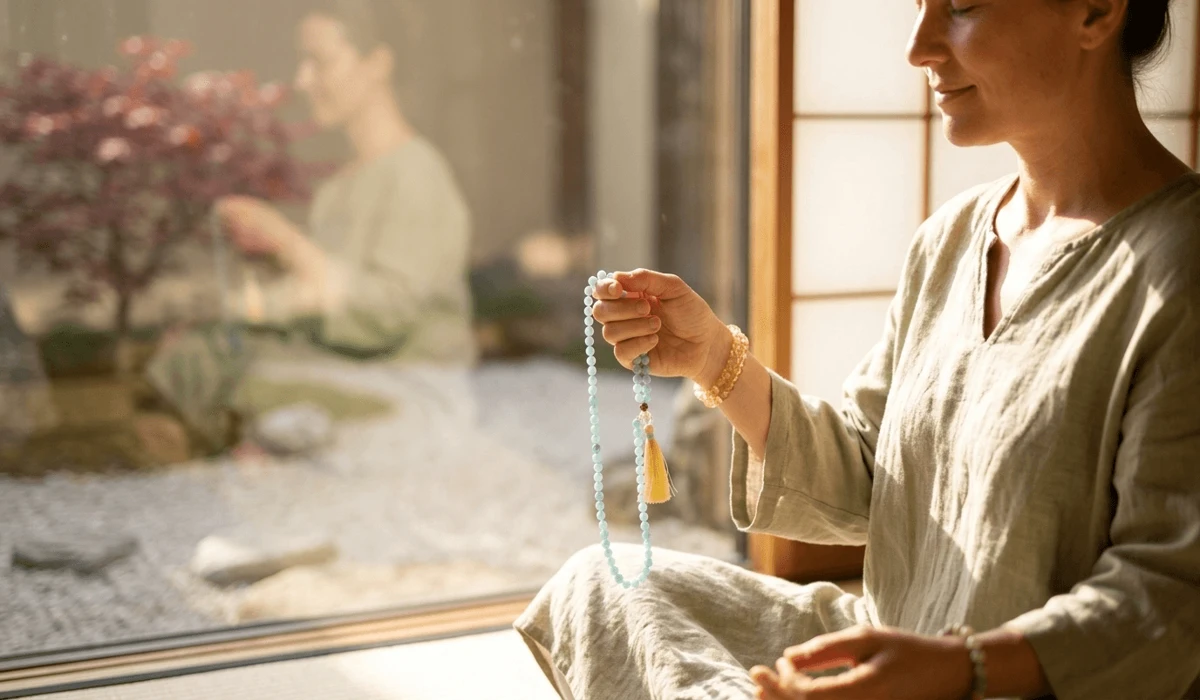
When you use your beads for counting prayers, it is traditional to hold them in your right hand. This is because the right hand is often linked to solar energy and active work. You can use your thumb to pull each bead over your middle finger as you chant.
If you wear your mala as a protective talisman, many people choose the left hand. The left side of the body is often seen as the side that receives energy from the world. We suggest learning more about Mala Wearing Rituals to find what feels right for you.
Intention-Setting Practices
Once your mala is finished, hold it in both of your hands and close your eyes. You can visualize a bright light moving through the cord and connecting all the stones. This creates a single circuit of power that will support your daily practice.
We also recommend saying a dedication prayer to seal your hard work. This tells the universe that you are ready to use these beads for your highest good. It turns a piece of jewelry into a powerful companion for your soul.
When to Wear Your Restored Mala
Wear your mala during formal meditation to help anchor your mind to your breath. It is a physical reminder of the vows you have made to yourself. During busy days, feeling the beads against your skin can help you stay grounded.
We suggest keeping your mala in a clean place when you are not wearing it. Treating it with respect helps maintain the energy you put into it during the repair. It is a sacred object that deserves your care and attention.
How to Restring Your Mala Beads: A DIY Spiritual Ritual vs. Purchasing a New Mala
Restoring an old mala is different from buying a new one because of the history you share. We often recommend japa mala maintenance for beads that have deep sentimental value. Keeping the same beads allows you to keep the energy you have built up over years of use.
However, starting fresh with a new set of Sacred Mala Beads can be good if you want a totally different energy. Restringing gives you a middle path where you keep the stones but change the cord. This lets you customize the look with a new color or a different style of tassel.
The act of hand-repairing a mala creates a bond that a factory-made item cannot match. You know every inch of the string and every single knot. This personal touch makes the tool more effective for your own spiritual growth and focus.
Who Is the Mala Restringing Ritual Suitable For?
This ritual is perfect for anyone who feels a “disconnect” in their meditation lately. Taking the time to physically fix your tool can help you fix your mental focus too. It is a great way to realign your chakras and your heart with your daily actions.
People who follow a path of service often find this work to be a form of devotion. It does not matter if you are a beginner or if you have meditated for years. Anyone who values a DIY spiritual ritual can benefit from the patience it requires.
If you work with specific gemstones, you might want to check their quality with Gemological Institute Standards during the process. This ensures that your beads are real and strong enough for many more years of use. It is a time to inspect your tools and appreciate their natural beauty.
How to Cleanse, Charge, and Care for Your Restrung Mala
Cleansing Methods for Prayer Beads
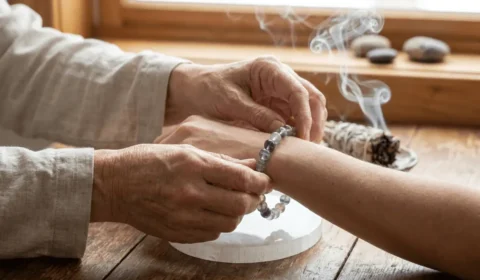
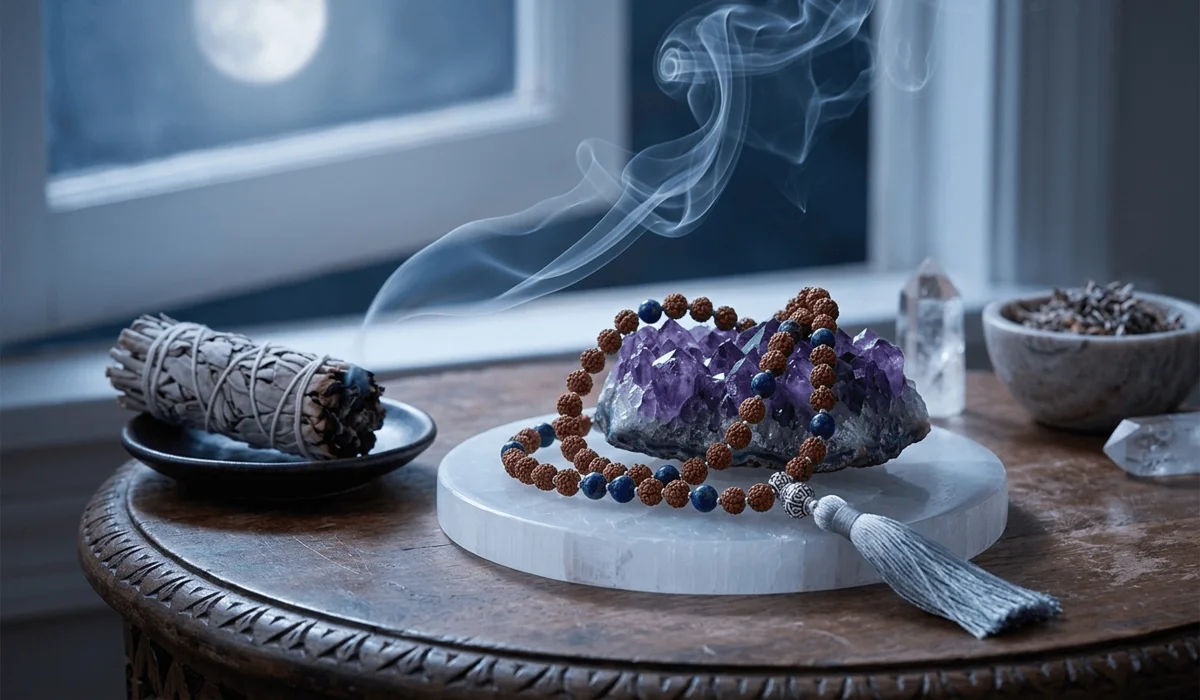
After you finish restringing, it is important to clear the energy of the work process. We suggest using the smoke of sacred herbs like sage or palo santo. This smudging process helps remove any old vibes and makes the beads ready for new prayers.
You can also use a singing bowl to cleanse your beads with sound. The vibrations from the bowl help clear out stagnant energy without touching the beads. This is a very gentle way to prepare your tool for its new life.
Charging Gemstones Post-Repair
To give your beads more power, you can charge them under the light of a full moon. This natural light helps revitalize the gemstones and the new cord. We also love using a selenite plate to keep our malas energized every night.
Placing your mala on a meditation altar is another great way to keep it charged. The peaceful environment of your altar will soak into the beads. This ensures that they are always ready to help you find your center when you sit down to practice.
Daily Care and Storage
We recommend storing your mala in a soft silk pouch when you are not using it. This prevents the cord from getting caught on things or fraying. It also keeps the tassel looking neat and flowing, which is important for the visual ritual.
Avoid wearing your beads while you sleep or do hard exercise. Sweat and movement can weaken the cord faster than normal. If you want to know more about keeping stones safe, consult the Gemmological Association Knowledge for expert tips on stone care.
Frequently Asked Questions
Q: What does it mean spiritually when your mala breaks?
A: It is often seen as a sign that a karmic cycle has ended or that your current intention has been fulfilled. It reminds us that everything changes and invites us to reflect on our progress. Many believe the beads protect you by absorbing difficult energy until they can no longer hold it.
Q: What is the best string for restringing mala beads?
A: Nylon cord is excellent for its strength and will not fray easily over time. Silk is the traditional choice because it is natural and has a very soft feel during meditation. The best choice depends on if you prefer strength or a traditional soft texture for your beads.
Q: How do I correctly place the Guru bead?
A: The guru bead usually has three holes and sits at the bottom of the 108 beads. You must pass both ends of your cord through the top holes and out through the single bottom hole. This joins the circle together and provides a place to attach your tassel securely.
Q: How can I cleanse my mala beads after I finish restringing them?
A: You can pass them through the smoke of sage or set them in a bowl of dry brown rice for a day. Visualizing a bright white light surrounding the beads while you hold them is also a powerful way to clear them. This makes sure the energy of the repair is replaced with peace.
Q: How do I set a new intention for my restrung mala beads?
A: Hold the beads in your hands, close your eyes, and take three deep breaths. Speak your goal out loud in the present tense as if it is already true. You can then chant a mantra 108 times to lock this new focus into every single knot you tied.
Conclusion & Gentle Next Step
Restringing your mala is a beautiful act of love for yourself and your spiritual path. By using the overhand knot technique, you create a tool that is both strong and full of meaning. We hope this ritual brings you much peace and a sense of fresh energy for your daily practice.
Remember that your mala is a mirror of your own devotion and heart. Every time you touch a bead, you are connecting back to the work you did to fix it. We invite you to explore our collection of tools to help you on this journey of renewal.
We are honored to support your meditation journey with our handcrafted items. If you are looking for new inspiration, please visit our collection of Sacred Mala Beads to find your next spiritual companion.
This content is provided for informational and cultural exchange purposes only. It does not constitute medical, legal, financial, or other professional advice. Readers should consult with qualified professionals if they have specific needs or concerns regarding their spiritual or physical health.

Written by the Buddha Bodhis Team
Since 2020, we have been devoted to exploring traditional year-based wisdom, classical Feng Shui principles, and the rich spiritual symbolism rooted in Eastern cultural heritage. Our work bridges ancient metaphysical systems with modern life, interpreting annual cycles, elemental energies, and symbolic meanings to offer thoughtful insight and practical guidance. Through continuous research and practice, we aim to preserve traditional knowledge while making it accessible, relevant, and meaningful for contemporary seekers of balance, intention, and personal growth.
TikTok | YouTube | Pinterest | X
buddhabodhis@gmail.com